

Introduction
Today, we discuss Cryptocurrency Compliance Laws. Crypto is exciting. But rules exist. All startups and exchanges should operate based on them. Disregard of cryptocurrency compliance regulations is a troublesome affair. Heavy fines. Legal action. Even shutdowns. Cryptocurrency regulations are rapidly tightening across governments in the world.
They want transparency. They desire consumer protection. They desire to put an end to criminal acts. Notice is given herein in a very straightforward manner. What laws apply?
What steps to take? How to stay compliant. This guide will ensure that, whether you are starting a business or running one, you are not on the wrong side of the law.
What do Cryptocurrency Compliance Laws mean?
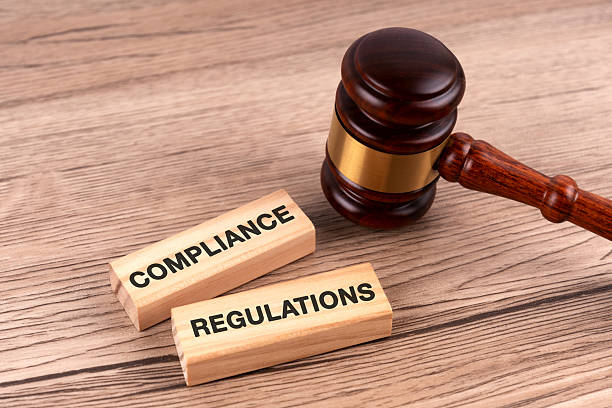
The compliance laws of cryptocurrency are regulations of crypto companies. They dictate the way companies manage the digital assets. They guard against fraud amongst the consumers. They discourage money laundering. They cut off funding of terrorists.
All crypto startups and exchanges have to abide by such regulations. Violation of them is a grave punishment. Fines can reach millions. Licenses get revoked. Those who establish it are charged with a crime. Compliance isn’t optional. It’s mandatory for survival.
The importance of Compliance to Crypto Businesses.
Most crypto startups do not pay attention to compliance. Big mistake. Passing the eye of the regulators. They track every exchange. They keep track of all the transactions. The crypto sector is developing rapidly. According to the cryptocurrency compliance laws, legitimate businesses have respected these laws since the inception.
It builds trust with users. It attracts investors. It prevents legal problems. It insures your business in the long-term. Conformance is a competitive edge in the present day.
Key Cryptocurrency Compliance Laws You Must Know
There are a number of significant laws relevant to the crypto business. Here are the essential ones.
KYC (Know Your Customer)
Crypto compliance is based on KYC. All transactions should authenticate the identities of users. Government ID is given by the customers. They submit proof of address.
There is the case of selfie verification. KYC eliminates illegal anonymous transactions. It prevents criminals from using your platform. In nearly all countries where cryptocurrency compliance laws exist, KYC is required. There are no exemptions for small startups.
AML (Anti-Money Laundering)
The AML laws ensure that dirty money does not get into crypto. Transactions have to be followed up in exchanges. Automatic flagging of suspicious activities occurs. Reports are made to the financial authorities. Big deals demand additional examination.
AML programs should have compliance officers. The AML requirement is mandatory globally with cryptocurrency compliance legislation. Failure of AML checks is punishable.
CFT (Combating the Financing of Terrorism).
CFT regulations are in cooperation with AML regulations. They make it impossible to use crypto by terrorist groups. Exchanges are screening users on lists of sanctions. There are suspicious trends that initiate investigations. Cooperation at the international level is necessary. This is serious. Very serious. Breaking is punishable with a criminal penalty.
Travel Rule
The crypto travel rule has an impact on crypto businesses worldwide. Exchanges are to exchange information about the sender and receiver. In case of transfers of a particular size.
This enhances transparency. It assists in setting the fund flow. The number of countries that embrace this rule each year is on the increase. Travel Rule is becoming more and more a part of cryptocurrency compliance laws.
Data Protection Laws
Cryptocurrency businesses gather the personal data of users. GDPR applies in Europe. CCPA applies in California. The laws are similar in other regions. You must protect user data. Secure storage is mandatory. There is the rule of breach notification. The compliance issues on privacy, as well as crypto compliance.
Licensing Requirements for Crypto Businesses
Majorities of nations have come to license crypto activities.
United States
There are various licenses that might be required. The Money Transmitter Licenses depend on the state. In New York, there is a requirement to have a BitLicense. Registration by FinCEN is required on a national level. Some token registration by SEC. The cryptocurrency compliance regulation in the US is complicated.
European Union
MiCA is a regulation that harmonizes licensing in the EU. Logs should be authorized for all crypto service providers. There are additional requirements on the issuers of stablecoins. There are stringent consumer protection laws. Compliance is an important issue for the EU.
United Kingdom
All crypto businesses are required to be registered by FCA. The anti-money laundering regulations are strict. The laws in marketing are stringent. The unregistered operation is unlawful. The non-compliance is harshly punished.
Singapore
MAS licenses are based on the Payment Services Act. There is a transparent cryptocurrency business structure. The process of application is complete. Singapore is pro- crypto, anti-compliance. In this case, the laws of cryptocurrency compliance are clear.
Dubai
The crypto of Dubai is indeed regulated by VARA. Free zone laws are also applicable. The process of licensing is well-organized. Dubai has appealing rules to crypto business. The compliance requirements are increasing.
Steps to Build a Compliance Program

A compliance program is required in every crypto startup. Here’s how to build one.
Step 1: Get to know your Regulations
Understand the laws that are specific to your business. Location matters. Business type matters. Research thoroughly. Consult legal experts. The laws related to compliance with cryptocurrency vary greatly by jurisdiction.
Step 2: It will involve KYC Procedures.
Install identity checking systems at once. Use reliable KYC providers. Check all users prior to their trading. Automate where possible. Hand verification of flagged cases.
Step 3: Build AML Systems
Establish systems of tracking transactions. Install spyware detection devices. Create a reporting system to the authorities. AML requirements: Train your team. It is always good to document everything.
Step 4: Designate a Compliance Officer.
Any serious crypto business will require one. This individual monitors every compliance procedure. They keep abreast of changes in regulations. They make frequent reports to the management. They deal with regulatory communications personally.
Step 5: Train Your Team
All people should be aware of the compliance fundamentals. It is necessary to develop regular training. Training on updates upon the change of rules. Develop effective internal policies. Incorporate the culture of compliance into the company.
Step 6: Get Licensed
Get the required licenses in time. The process takes time. Sometimes months. Make records adequately. Collaborate with legal practitioners. Do not work without the proper licensing.
Step 7: Regular Audits
Carry out internal compliance audits on a regular basis. Resolve the problems before the regulators discover. Externality audits provide added credibility. Write down all audit results appropriately. Laws on cryptocurrency compliance mandate continuous compliance with the law.
Top Compliance Screw-Ups that startups commit.
These are all dangerous mistakes that you should avoid regarding your crypto business.
- Skipping KYC. Introduce no identity-verification systems.
- Ignoring AML. Monitoring transactions is not something optional. It’s legally required.
- Operating without licenses. This results in bankruptcies and prosecution.
- Poor record-keeping. The regulators desire extensive records. Keep everything documented.
- No compliance officer. There has to be one person with the compliance responsibility on a full-time basis.
- Ignoring updates. Laws change frequently. Keep abreast of every regulation.
- Weak data security. Data breach shatters confidence and has legal consequences.
The Best Crypto Business Compliance Tools.
The instruments are used to cope with the cryptocurrency compliance regulations.
- eb Chainalysis Blockchain analytics. Transaction monitoring. Investigation tools.
- Elliptic — AML compliance. Risk screening. Regulatory reporting.
- Sumsub — KYC verification. Identity checks. Automated onboarding.
- ComplyAdvantage — AML data. Sanctions screening. Risk assessment.
- umio Identity verification. Document scanning. Biometric checks.
- Merkle Science — Transaction monitoring. Risk detection. Compliance reporting.
Sanctions against Non-Compliance.
Violation of the law of compliance with cryptocurrency is severe.
- Heavy fines. Millions of dollars of fines. Sometimes billions.
- License revocation. Your company is completely closed down.
- Criminal charges. Directors and managers are prosecuted individually.
- Reputation damage. It is almost impossible to regain lost trust.
- Asset freezing. The government can block the funds of companies on the spot.
- Prison time. Severe offenses will imply jail sentences for the responsible persons.
Real-Life Experience
In 2023, my friend opened a small crypto exchange. He laid the foundation on great technology first. Compliance came second. He believed that there were no regulations to small businesses. He was entirely mistaken in that.
Regulators contacted him within eight months. His exchange was discovered to be in operation without licensure. No KYC system was in place. No AML monitoring existed. The consequences came fast.
He was fined 50,000 on the spot. His exchange was compelled to close down. He spent $30,000 on legal fees. Three months of business gone to waste. All due to the fact that he did not follow compliance in the first place.
He now operates an entirely conforming exchange. KYC is obligatory for all users. AML surveillance is an ongoing process. He has a committed compliance officer. The compliance laws of cryptocurrency are expensive. However, defiance is even more expensive.
Future of Crypto Compliance

The global legislation on cryptocurrency compliance continues to change rapidly.
- Stricter global standards. Global integration is gaining momentum.
- DeFi regulation is coming. New rules are being established concerning decentralized platforms.
- AI-powered compliance. Monitoring is made routine using automation.
- Real-time reporting. Instant regulatory reporting demands are increasing.
- Stablecoin oversight. Tighter regulation of issuers of stablecoins across the world.
- Cross-border cooperation. Cryptocurrency regulation information is shared among nations.
Tips for Staying Compliant
These are the key points that need to be followed when starting a crypto business.
- Start compliance early. Establish it in your company from the beginning.
- Hire legal experts. Crypto attorneys spare you an expensive error.
- Use compliance tools. Independent automation of KYC and AML.
- Stay updated. Adhere to regulatory news regularly.
- Document everything. Audits show that you are doing as you were supposed to do.
- Train regularly. Make all your staff on new regulations.
Conclusion
The laws on compliance of cryptocurrencies are not disappearing. They’re getting stricter. All crypto startups and exchanges should take them into account. Conformity defends your business. It builds user trust. It attracts investors. It keeps you out of trouble with the law.
Begin with the AML systems and KYC. Get proper licenses. Hire a compliance officer. Apply sound compliance tools. Keep abreast of emerging policies. Record all these.
The lesson that my friend had to pay 80,000 dollars teaches that it is costly to make compliance corners. Very expensive. His exchange survived. But barely. Don’t repeat his mistake.
Construction compliance. Not as an afterthought. The cost of doing business is the cryptocurrency compliance laws. Accept it. Embrace it. Build a business that lasts. A compliant business is a business that is trusted. A trusted business succeeds.